
K-12 and higher education projects share many of the same fundamentals, but the way they are planned, approved, and experienced can differ significantly.
From DSA oversight to funding structures and daily use, each environment brings its own set of priorities and constraints. Understanding these differences early helps shape a more effective approach, one that aligns with how each campus functions and how students interact with their spaces.
A Shared Framework, Applied Differently
Both K-12 and community college projects are reviewed through the Division of the State Architect. While the approval process is consistent, the way projects are designed within that framework can vary.
K-12 environments tend to be more structured. Schedules are fixed, supervision is constant, and spaces are designed to support a defined curriculum. Clarity, safety, and visibility are essential drivers of the design.
Higher education environments operate differently. Students move independently, spend longer periods on campus, and use spaces in more varied ways. This requires environments that are more adaptable, allowing for a mix of formal and informal learning, collaboration, and individual use.
The framework may be shared, but the response to it is not.
Designing for How Students Use Space
One of the most important differences between K-12 and higher education is how students engage with their environment.
K-12 campuses are typically designed within a more structured framework. Classroom sizes, staffing ratios, and supervision requirements are clearly defined, shaping environments that prioritize safety, visibility, and consistency. These spaces support students who rely more heavily on guidance throughout the day, and design solutions often follow well-established parameters.
In contrast, higher education environments allow for greater flexibility in how space is planned and used. Students move independently, follow varied schedules, and engage with the campus in different ways throughout the day. This drives the need for adaptable environments that support a range of learning styles, from structured instruction to informal collaboration.
This flexibility also extends to emerging building strategies. Projects such as student housing introduce larger and more complex program types, where approaches like modular construction require a more nuanced level of coordination and review. These conditions differ significantly from K-12 environments and often require teams to navigate new considerations within existing approval frameworks.
Community Colleges as a Bridge
Community college environments often serve as a bridge between K-12 and four-year institutions, blending elements of both in how they are planned and used.
As Principal Joshua Smith, AIA, LEED AP B+C, notes, “Community college environments often serve as a bridge between K-12 and four-year institutions, blending elements of both in how they are planned and used. Students are typically commuter-based and engaged in a wide range of academic and career-focused programs, which shapes the need for spaces that support both structured instruction and independent, extended use. While the range of resources is not as expansive as a four-year campus, these environments require greater capacity and flexibility than K-12, with spaces designed to accommodate varied schedules, hands-on learning, and evolving program needs.”
This balance creates a unique design challenge that requires careful coordination among program needs, user behavior, and project delivery requirements.
Different Pathways, Different Considerations
Approval pathways also influence how projects move forward.
K-12 and community college projects follow DSA requirements, which provide a clear and structured review process. With the right level of coordination, this can support a predictable path to approval.
Four-year institutions often follow internal review processes, which can offer more flexibility but also require alignment with campus standards, long-term planning goals, and institutional priorities.
Each pathway requires a slightly different approach to coordination, documentation, and decision-making.
Evolving Expectations Across All Levels
While these environments differ, both are evolving.
K-12 campuses are increasingly incorporating flexible, hands-on learning environments that respond to changing curriculum needs. At the same time, higher education spaces are becoming more intentional in how they support student well-being, collaboration, and connection.
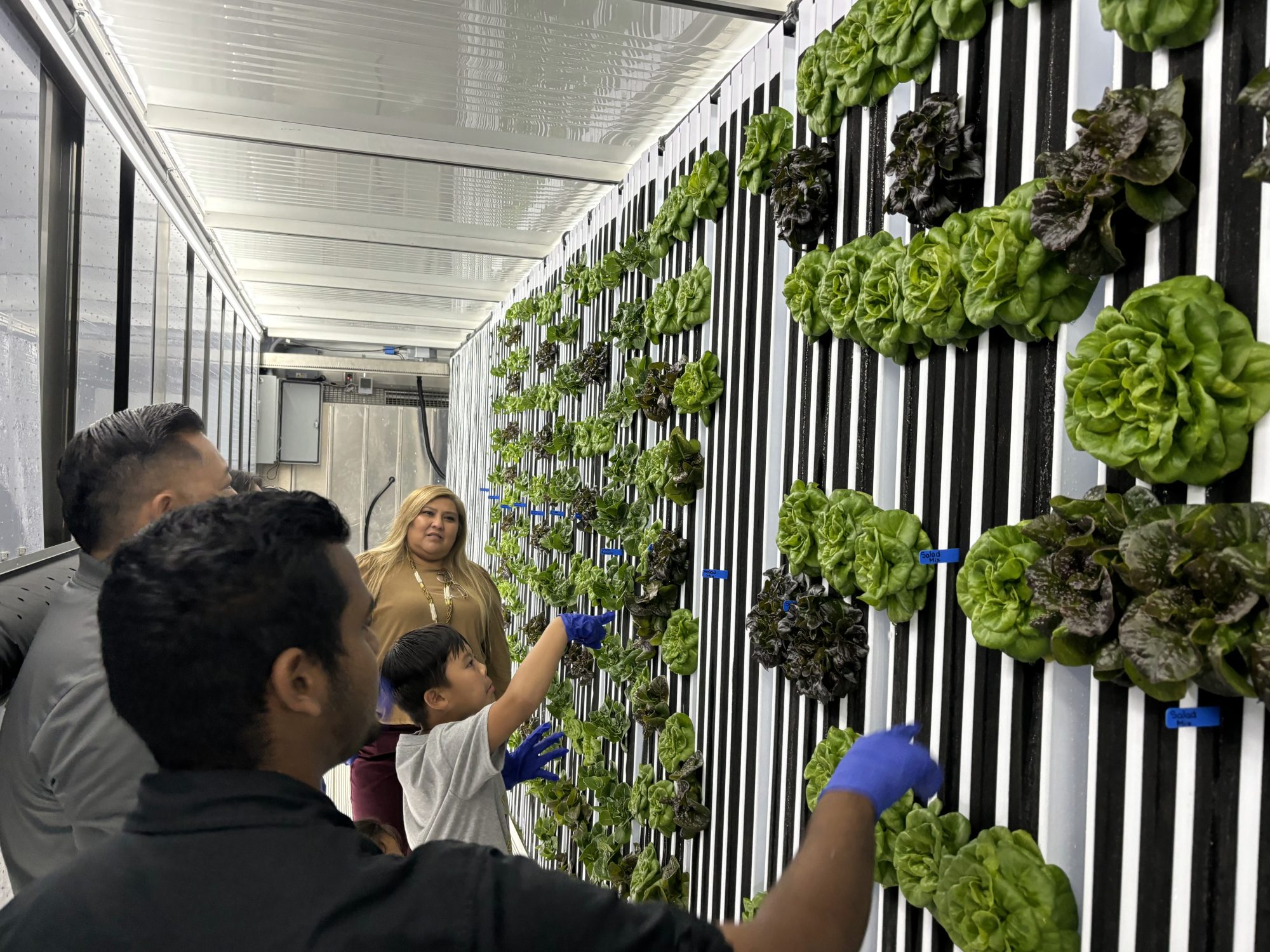
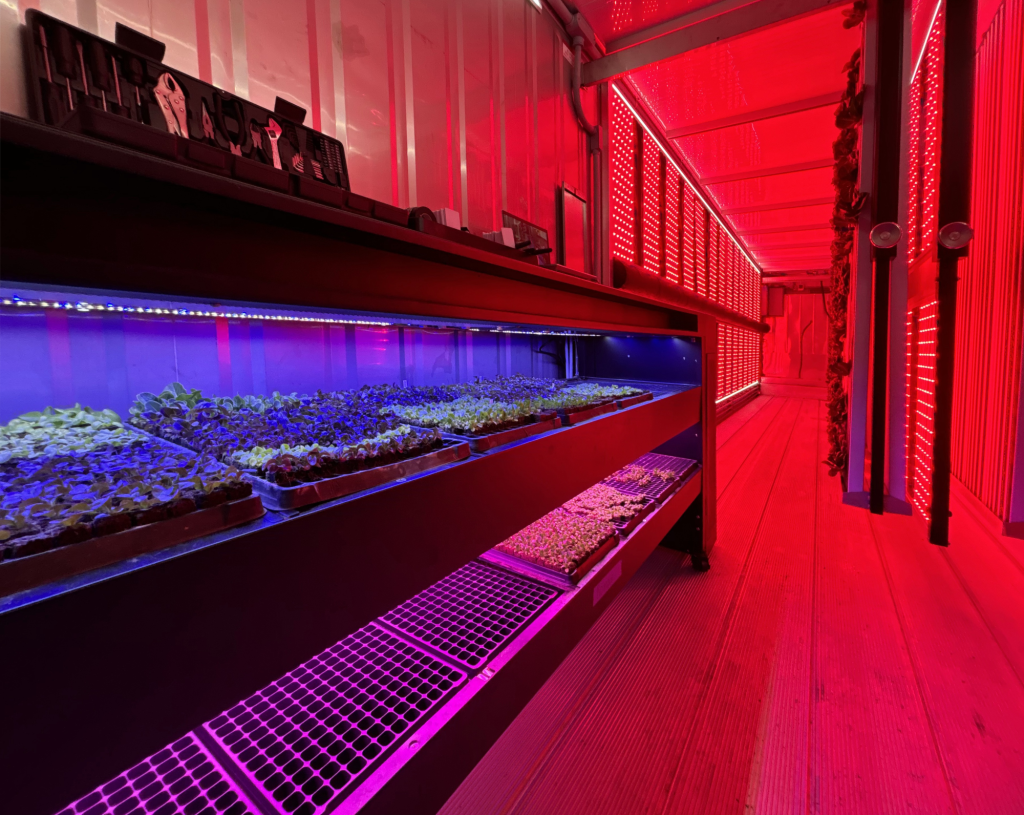
Projects such as the Magnolia Agriscience Community Center demonstrate how these ideas can take shape. Designed as one of the first DSA-approved freight farm facilities in Southern California, the project expands what a K-12 learning environment can be by blending hands-on education with real-world application.
Across all levels, there is a shared opportunity to rethink how space supports learning.
A Thoughtful Approach to Every Environment
While K-12 and higher education projects differ in structure, approval pathways, and user behavior, the underlying goal remains the same: to create environments that support students and the way they learn.
Westgroup Designs brings experience across K-12, community college, and higher education environments, from campus modernizations to specialized facilities and new construction. This perspective allows each project to be approached with a clear understanding of its context, its users, and its long-term goals. By recognizing what makes each environment unique, projects can move beyond meeting requirements and begin to shape more meaningful, effective places for learning.
For more information on our K-12 and Higher Ed practice, contact Jason Woolley.