Many public projects are not built on empty sites. They are constructed within active environments, where daily operations must continue alongside construction.
In these settings, phasing becomes more than a scheduling exercise. It is a strategic approach to maintaining continuity, protecting users, and ensuring that essential services remain uninterrupted.
Balancing Construction with Daily Operations
The most immediate challenge in phased construction is maintaining a safe and functional environment while work is underway.
This often requires clear separation between occupied spaces and construction zones, particularly in environments such as schools, healthcare facilities, and civic buildings where safety and accessibility are critical. At the same time, key facilities such as cafeterias, libraries, or shared spaces may need to be temporarily taken offline and replaced or upgraded.
Balancing these competing needs requires careful planning, sequencing, and coordination from the earliest stages of design.
Planning for What Cannot Stop
In occupied environments, certain functions cannot be paused.
Classes must continue, staff must be able to perform their roles, and core services must remain available. This requires identifying what must remain operational at all times and developing a phasing strategy that supports those priorities.
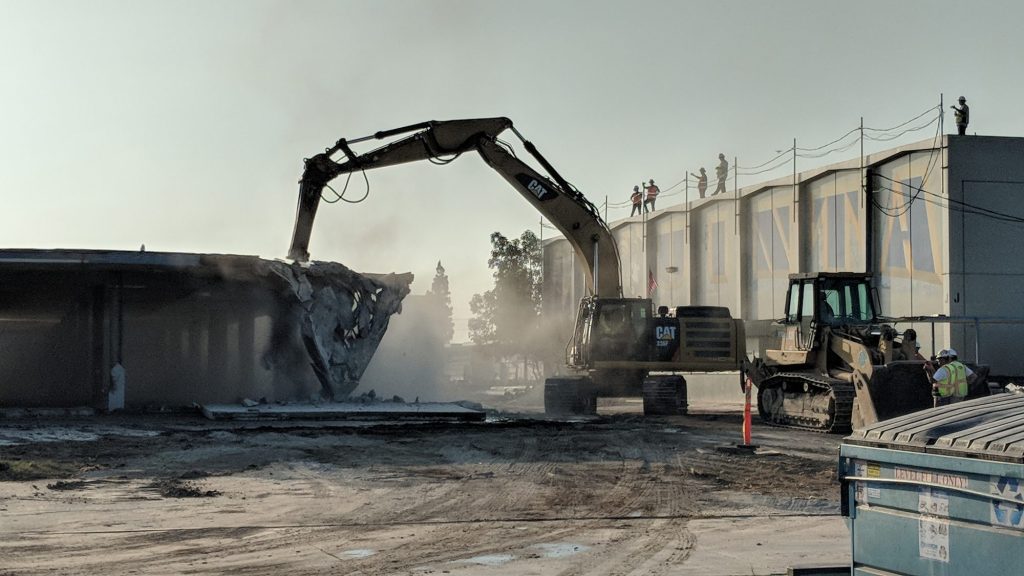
At Garden Grove Unified School District’s La Quinta and Pacifica High Schools, this meant maintaining full campus operations for more than 4,000 students while completing over 200,000 square feet of modernization and new construction across two campuses . Construction was organized into five phases, allowing new facilities to come online as older ones were renovated or replaced, without interrupting daily activities.
Sequencing as a Design Strategy
Effective phasing relies on more than dividing a project into stages. It requires sequencing that considers how spaces are used and how they can transition over time.
On the Garden Grove campuses, this included reconfiguring parking, circulation, and access points in parallel with building construction. Phasing diagrams mapped how areas would shift from active use to construction and back again, ensuring that essential functions such as student drop-off, parking, and campus circulation remained operational throughout the process.
This level of coordination allows projects to move forward while maintaining a sense of continuity for users.
Designing for Flexibility
Phasing is most effective when flexibility is built into the design.
Spaces that can adapt to temporary uses, support relocation, or accommodate shifting program needs make it easier to navigate construction without disruption. This flexibility allows teams to respond to changing conditions, whether that means relocating functions, adjusting circulation, or rethinking how spaces are used during construction.
These principles extend beyond education environments. In civic facilities, such as fire stations, maintaining operational readiness is essential. In healthcare settings, continuity of care is critical. In each case, the ability to adapt spaces and maintain functionality during construction directly impacts the success of the project.
Minimizing Disruption, Maintaining Experience
The goal of phased construction is not only to complete a project, but to preserve the experience of those using the space.
At Garden Grove USD, all phases were completed while maintaining uninterrupted campus operations. Classes continued without relocation, and students and staff retained access to essential services throughout construction.
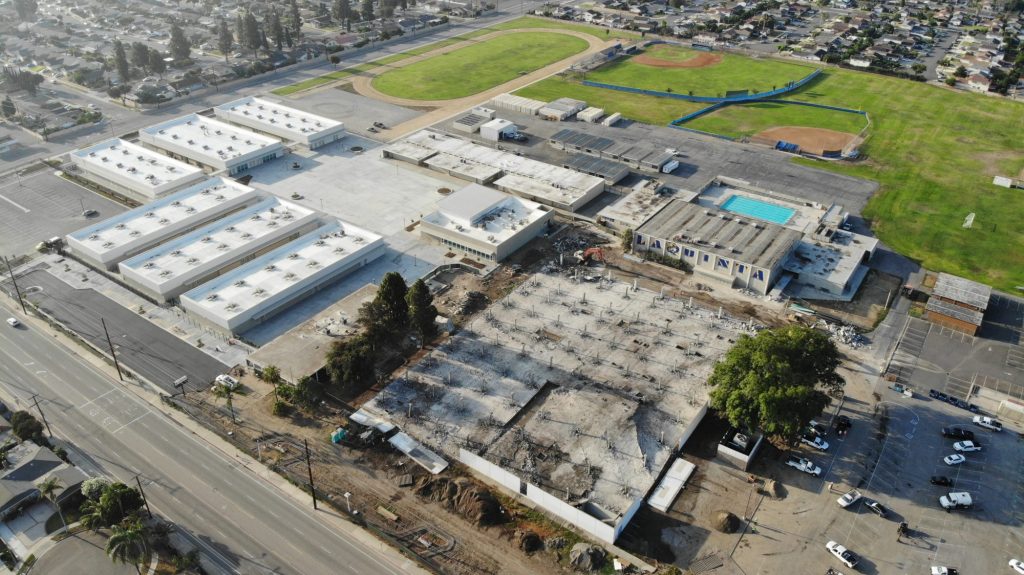
When phasing is carefully planned and executed, the result is a process that feels seamless, even as a significant transformation is taking place.
A Strategic Approach to Phasing
Phased construction requires a clear understanding of how a facility operates, how it will evolve, and how to maintain alignment between design, construction, and user needs.
When approached thoughtfully, phasing becomes a tool that supports continuity rather than disruption. It allows projects to move forward while preserving the functionality and experience of the environment throughout the process.
Planning a project in an active environment? Let’s talk about how to keep operations running. Reach us at info@westgroupdesigns.com.
K-12 and higher education projects share many of the same fundamentals, but the way they are planned, approved, and experienced can differ significantly.
From DSA oversight to funding structures and daily use, each environment brings its own set of priorities and constraints. Understanding these differences early helps shape a more effective approach, one that aligns with how each campus functions and how students interact with their spaces.
A Shared Framework, Applied Differently
Both K-12 and community college projects are reviewed through the Division of the State Architect. While the approval process is consistent, the way projects are designed within that framework can vary.
K-12 environments tend to be more structured. Schedules are fixed, supervision is constant, and spaces are designed to support a defined curriculum. Clarity, safety, and visibility are essential drivers of the design.
Higher education environments operate differently. Students move independently, spend longer periods on campus, and use spaces in more varied ways. This requires environments that are more adaptable, allowing for a mix of formal and informal learning, collaboration, and individual use.
The framework may be shared, but the response to it is not.
Designing for How Students Use Space
One of the most important differences between K-12 and higher education is how students engage with their environment.
K-12 campuses are typically designed within a more structured framework. Classroom sizes, staffing ratios, and supervision requirements are clearly defined, shaping environments that prioritize safety, visibility, and consistency. These spaces support students who rely more heavily on guidance throughout the day, and design solutions often follow well-established parameters.
In contrast, higher education environments allow for greater flexibility in how space is planned and used. Students move independently, follow varied schedules, and engage with the campus in different ways throughout the day. This drives the need for adaptable environments that support a range of learning styles, from structured instruction to informal collaboration.
This flexibility also extends to emerging building strategies. Projects such as student housing introduce larger and more complex program types, where approaches like modular construction require a more nuanced level of coordination and review. These conditions differ significantly from K-12 environments and often require teams to navigate new considerations within existing approval frameworks.
Community Colleges as a Bridge
Community college environments often serve as a bridge between K-12 and four-year institutions, blending elements of both in how they are planned and used.
As Principal Joshua Smith, AIA, LEED AP B+C, notes, “Community college environments often serve as a bridge between K-12 and four-year institutions, blending elements of both in how they are planned and used. Students are typically commuter-based and engaged in a wide range of academic and career-focused programs, which shapes the need for spaces that support both structured instruction and independent, extended use. While the range of resources is not as expansive as a four-year campus, these environments require greater capacity and flexibility than K-12, with spaces designed to accommodate varied schedules, hands-on learning, and evolving program needs.”
This balance creates a unique design challenge that requires careful coordination among program needs, user behavior, and project delivery requirements.
Different Pathways, Different Considerations
Approval pathways also influence how projects move forward.
K-12 and community college projects follow DSA requirements, which provide a clear and structured review process. With the right level of coordination, this can support a predictable path to approval.
Four-year institutions often follow internal review processes, which can offer more flexibility but also require alignment with campus standards, long-term planning goals, and institutional priorities.
Each pathway requires a slightly different approach to coordination, documentation, and decision-making.
Evolving Expectations Across All Levels
While these environments differ, both are evolving.
K-12 campuses are increasingly incorporating flexible, hands-on learning environments that respond to changing curriculum needs. At the same time, higher education spaces are becoming more intentional in how they support student well-being, collaboration, and connection.
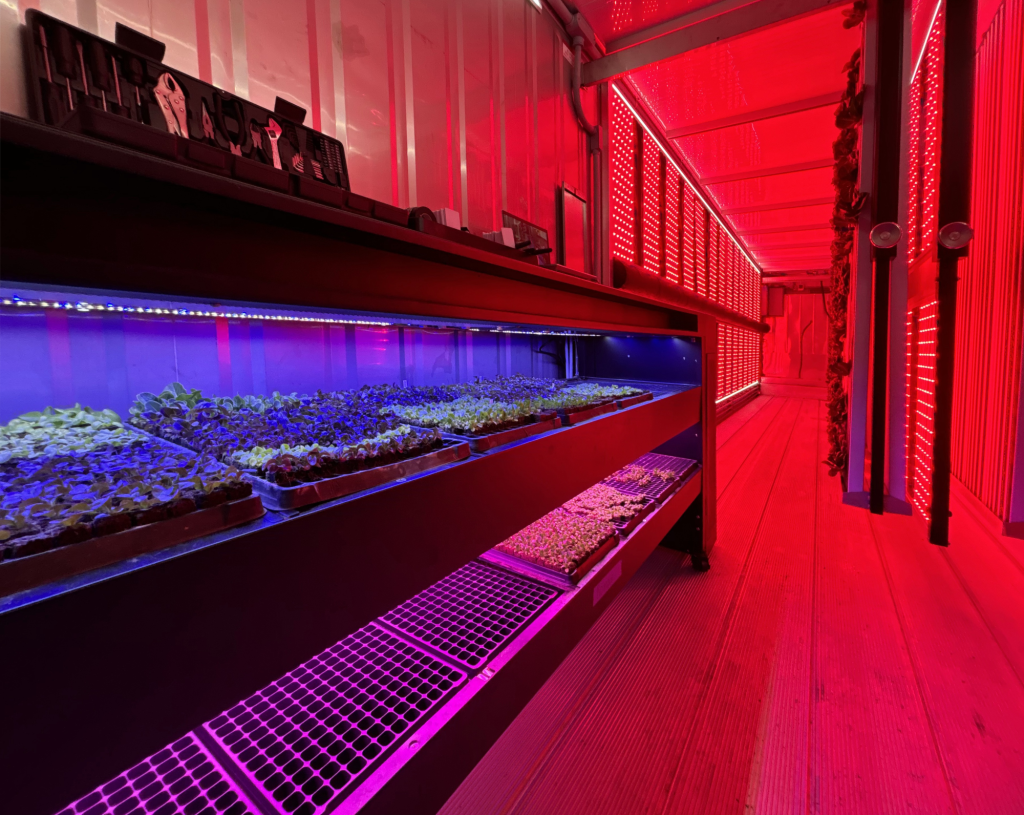
Projects such as the Magnolia Agriscience Community Center demonstrate how these ideas can take shape. Designed as one of the first DSA-approved freight farm facilities in Southern California, the project expands what a K-12 learning environment can be by blending hands-on education with real-world application.
Across all levels, there is a shared opportunity to rethink how space supports learning.
A Thoughtful Approach to Every Environment
While K-12 and higher education projects differ in structure, approval pathways, and user behavior, the underlying goal remains the same: to create environments that support students and the way they learn.
Westgroup Designs brings experience across K-12, community college, and higher education environments, from campus modernizations to specialized facilities and new construction. This perspective allows each project to be approached with a clear understanding of its context, its users, and its long-term goals. By recognizing what makes each environment unique, projects can move beyond meeting requirements and begin to shape more meaningful, effective places for learning.
For more information on our K-12 and Higher Ed practice, contact Jason Woolley.
DSA approval plays a central role in every K-12 project in California. When approached strategically, it does not have to slow a project down; it can help strengthen it.
With decades of experience navigating DSA requirements across projects of all sizes, from targeted campus improvements to large-scale ground-up facilities, a clear pattern emerges. The most successful projects treat DSA not as a milestone at the end of design, but as an ongoing process shaped by early alignment, clear documentation, and consistent communication.
Start Early and Align the Team
Successful projects begin with early coordination.
Bringing architectural, structural, and MEP teams together at the outset creates a shared understanding of the project from day one. Code, accessibility, and life safety requirements are not layered on later; they are built into the foundation of the design. This level of alignment helps identify conflicts early, reduces revisions during review, and supports a more predictable path forward.
Integrate DSA Into the Design Process
DSA requirements are most effective when they are part of the design, not something applied after.
Early coordination with agencies such as the State Fire Marshal and California Department of Education helps align design decisions with funding, compliance, and operational goals. Just as important is establishing clear lines of communication with DSA during this phase. Familiarity with review processes and maintaining open, professional relationships can lead to more timely and thorough responses to questions, allowing teams to move forward with greater clarity and confidence.
Prioritize Clear, Coordinated Documentation
Well-organized construction documents do more than communicate a design; they shape how that design is reviewed.
Consistency across disciplines, clear detailing, and thorough internal quality control allow reviewers to quickly understand intent and verify compliance. Projects that move smoothly through DSA review are often the result of documents that are thoughtful, coordinated, and complete.
Respond Strategically During Review
Even with strong preparation, responsiveness during DSA review is essential.
Coordinating responses across disciplines and addressing comments comprehensively helps maintain momentum through backchecks. Clear, consistent communication with reviewers builds alignment and supports a more efficient path through the process.
Plan for the Full Process, Not Just Approval
DSA involvement continues through construction and into project closeout.
Organizing record drawings, inspection reports, and certification documentation early creates a smoother path to occupancy. Strong communication during construction is equally important, particularly with DSA Inspectors of Record. Establishing clear, respectful working relationships helps teams navigate field conditions, resolve issues efficiently, and avoid unnecessary delays. In a process that involves many stakeholders, alignment and communication often make the difference in keeping a project on track.
Experience Makes a Difference
Teams familiar with DSA processes are better equipped to anticipate challenges, align stakeholders, and maintain progress.
Westgroup Designs has supported more than 300 projects through DSA approval, from small campus upgrades to large, multi-phase modernizations and new construction. The firm was also invited to participate in DSA’s pilot program for its digital Bluebeam review process, providing early insight into evolving workflows.
This experience informs a more proactive and coordinated approach, one that helps projects move forward with clarity, fewer surprises, and a more predictable path from design through certification.
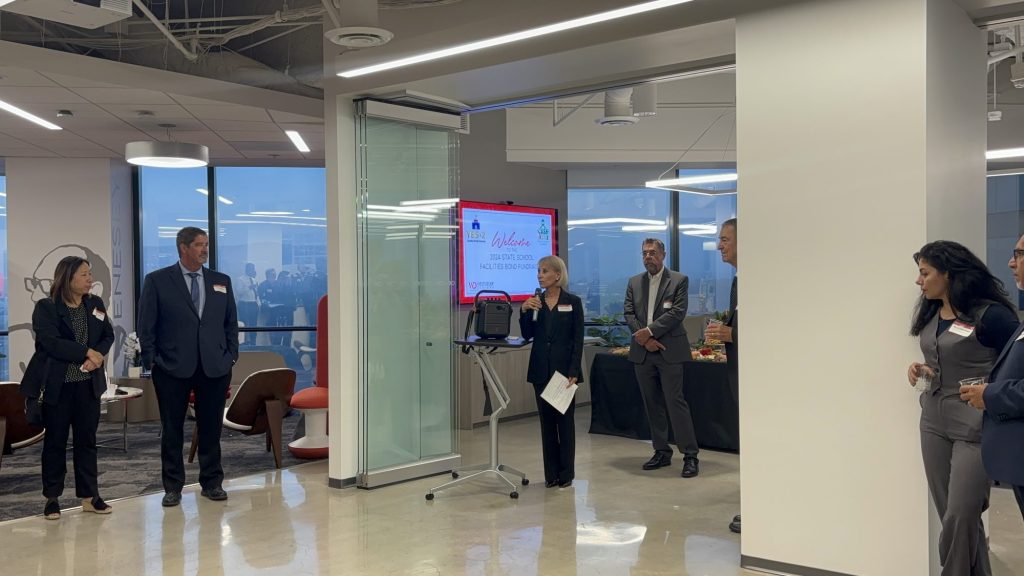
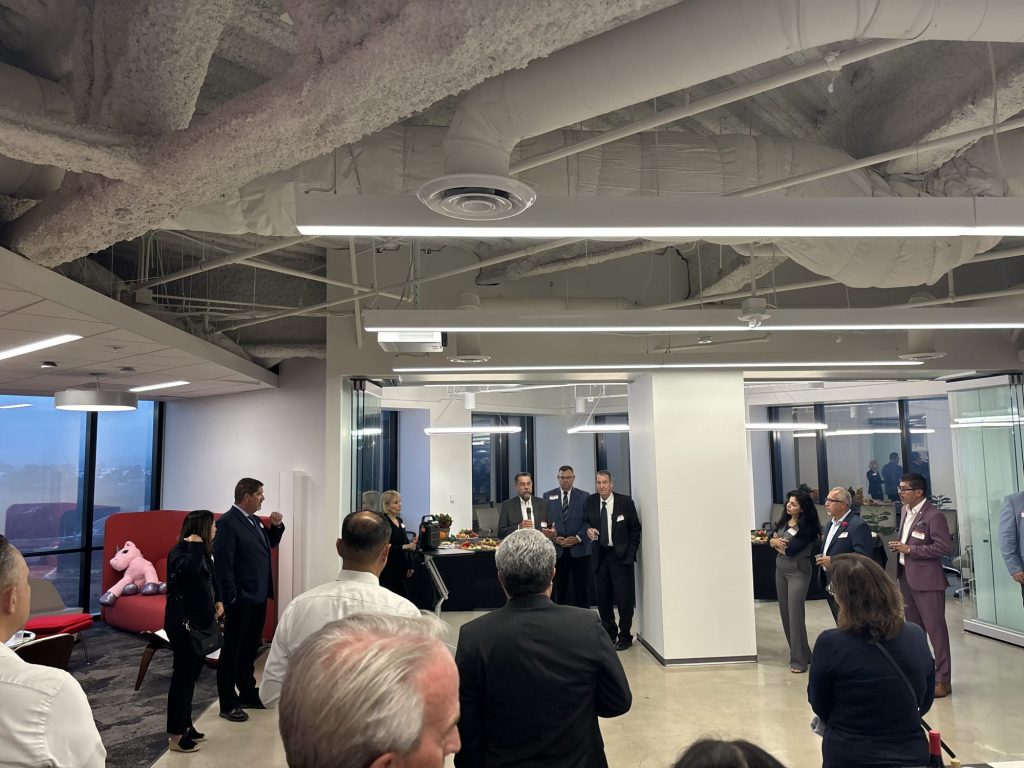
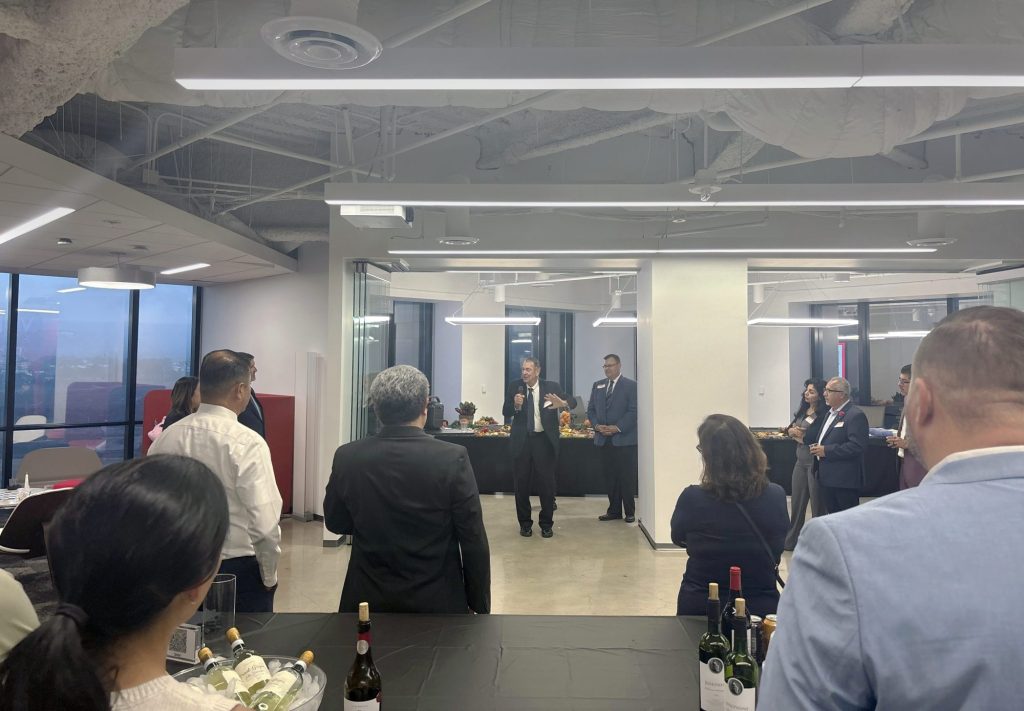
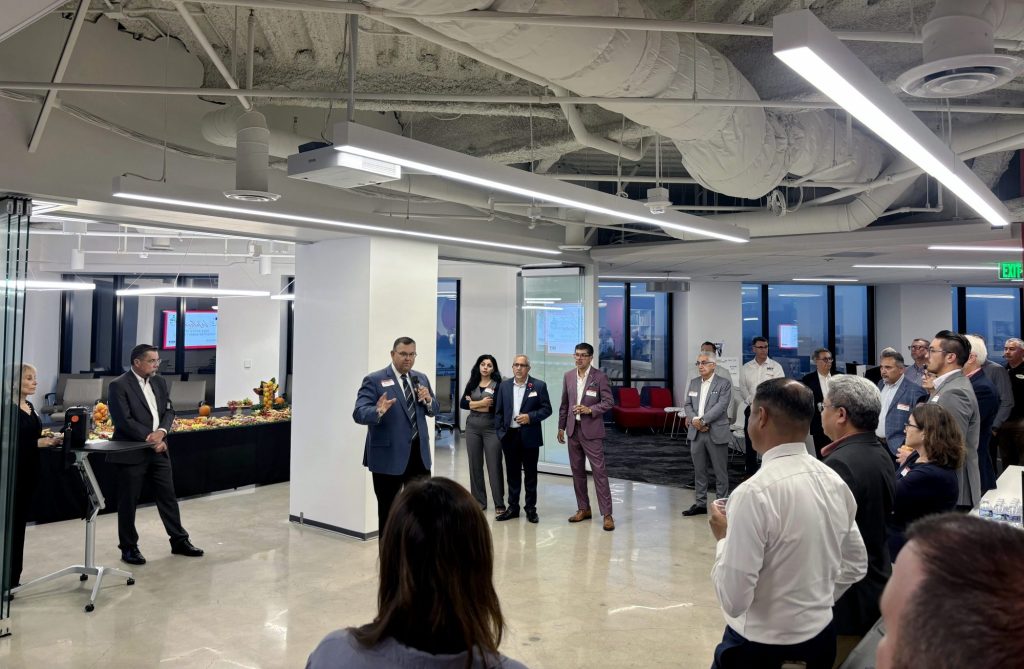
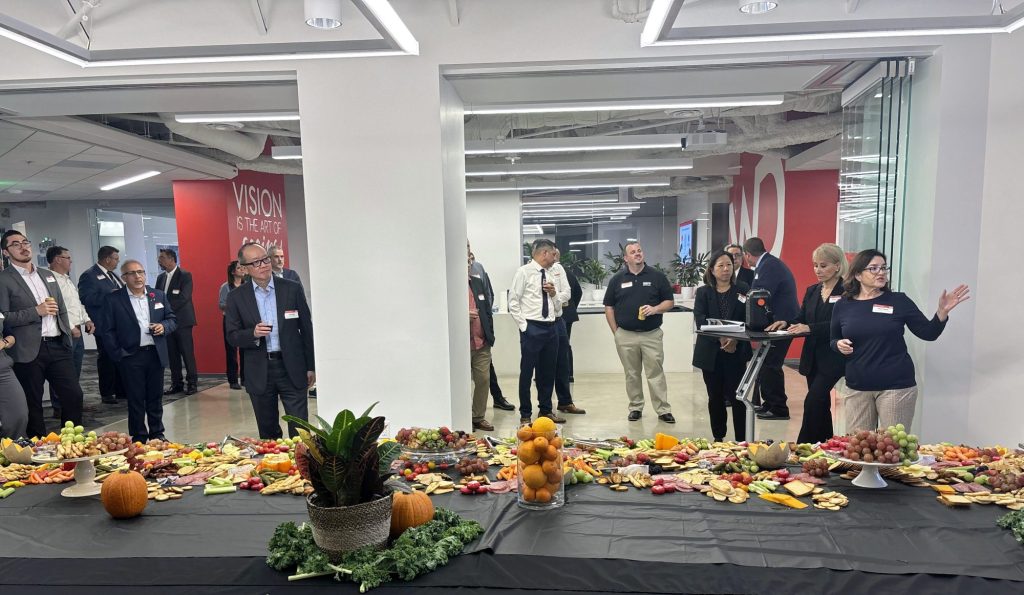
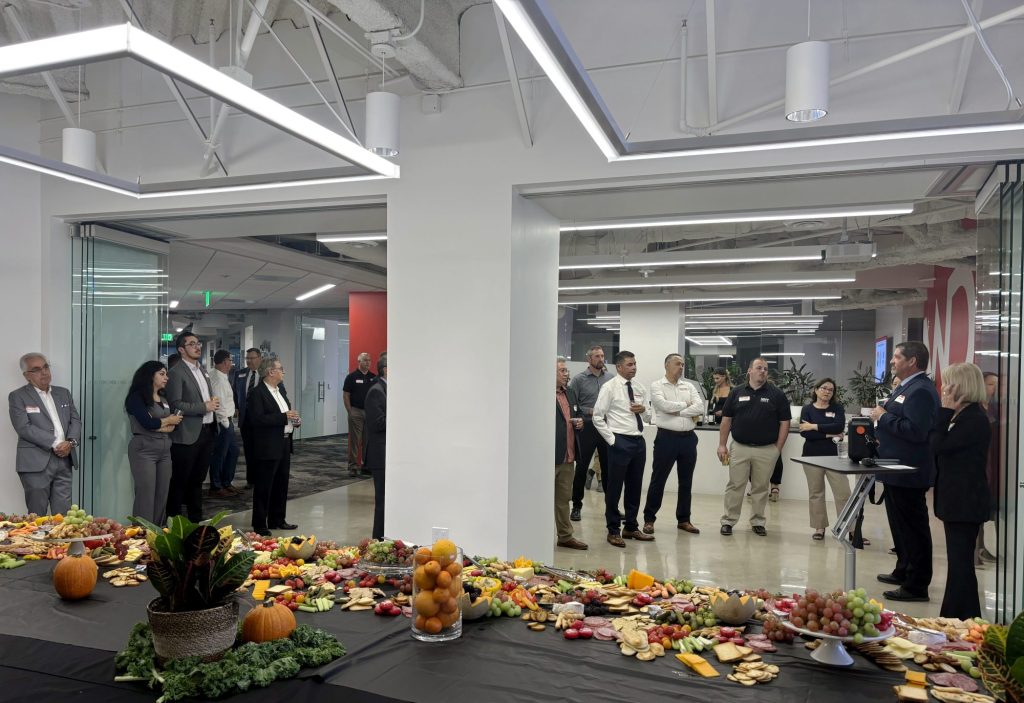
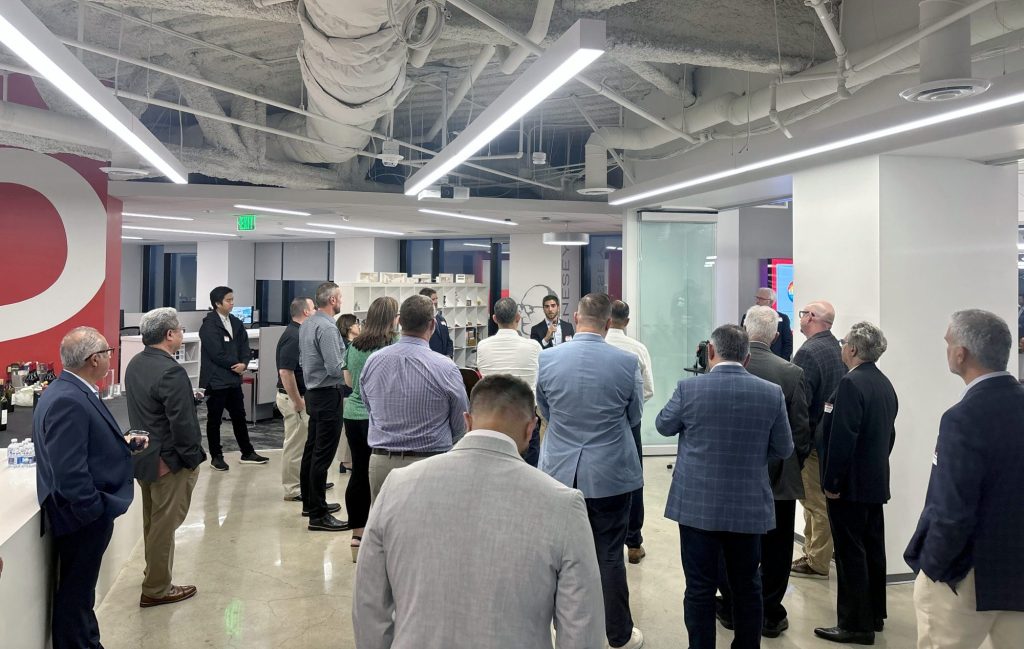
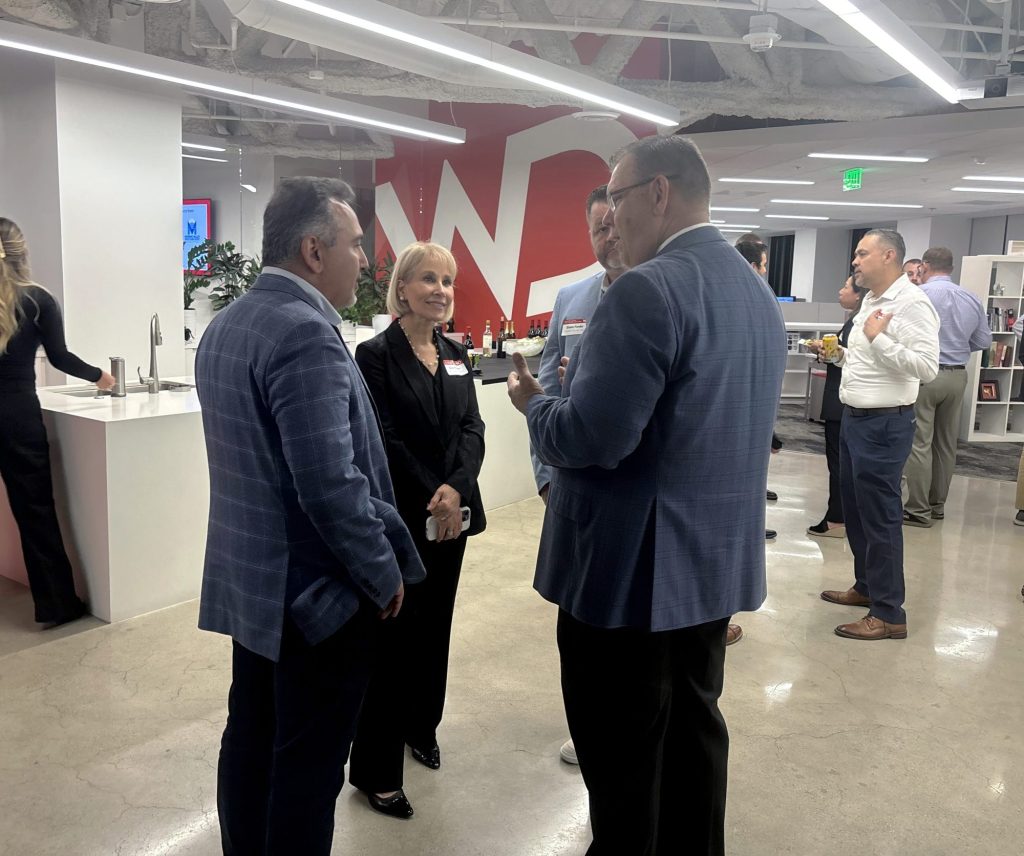
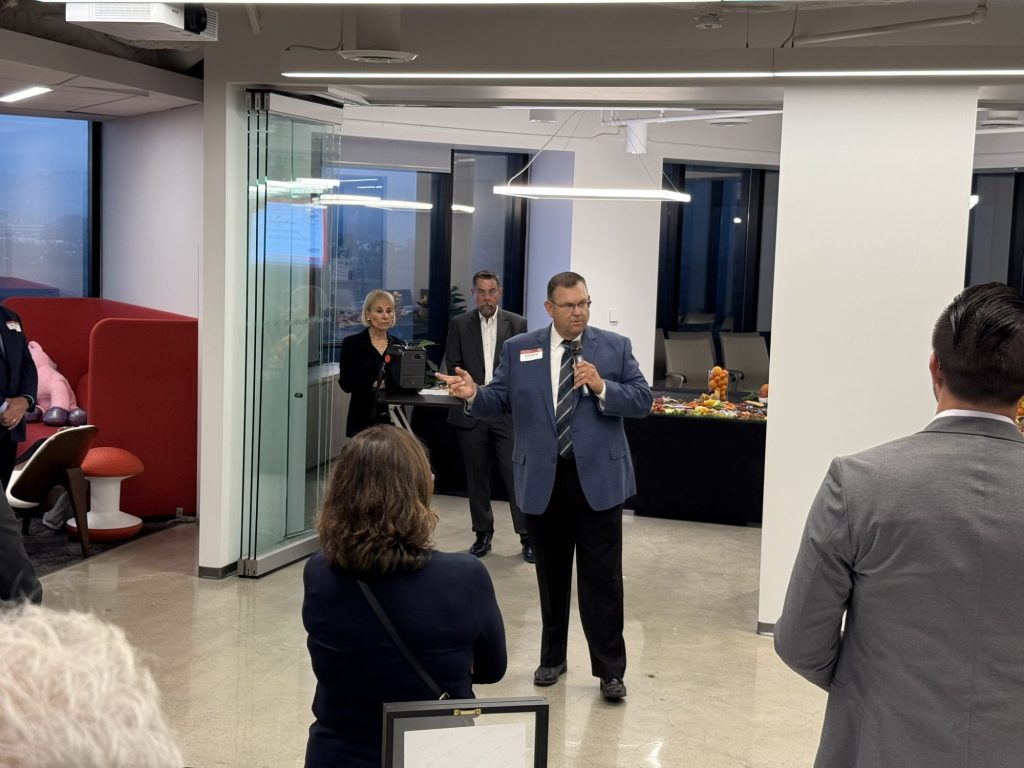
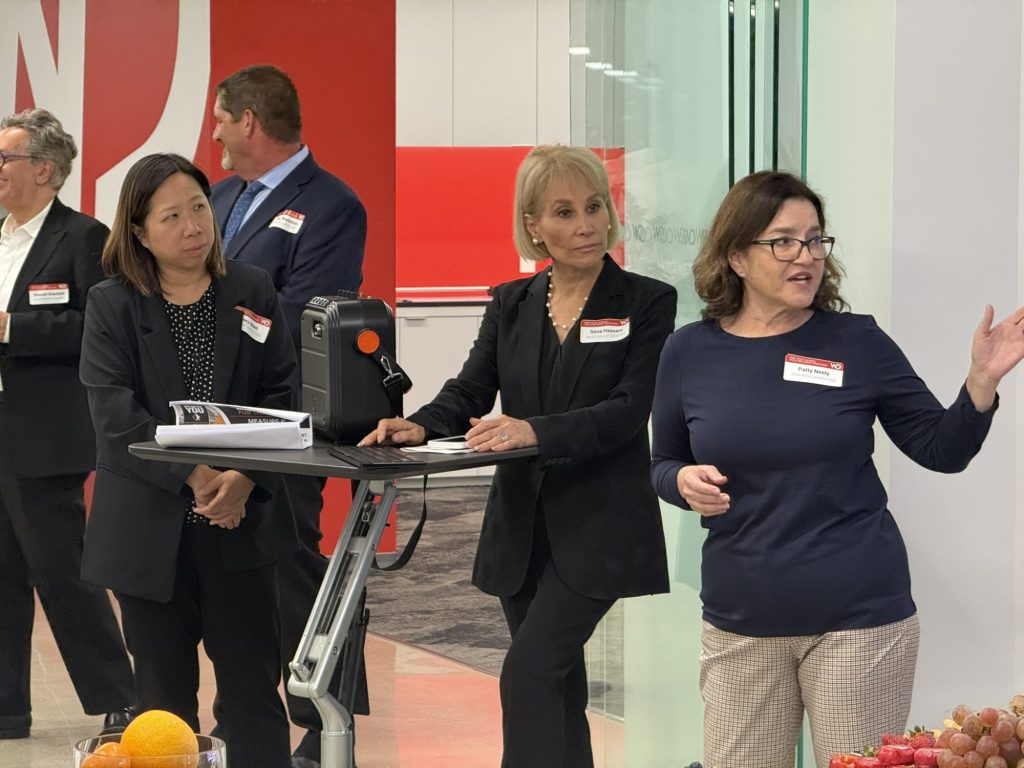
In partnership with Neff Construction, Inc., Westgroup Designs proudly hosted a successful fundraiser on October 3rd, raising over $50,000 for Prop-2 to benefit California School Districts. We are deeply grateful to our generous sponsors and esteemed guest speakers from Anaheim Union HSD, Long Beach USD, Santa Ana USD, and Moreno Valley USD. Together, we are committed to enhancing educational environments and shaping the future of learning.
Thank you all for your tremendous support!
WD is a 2024 Platinum Bond Contributor.
This past weekend, members of our team participated in the Susan G. Komen MORE THAN PINK Walk, joining thousands in support of a world without breast cancer. We are especially proud of one of our designers, Izzy Guevara, CID, who raised over $450. As she shared, “I decided to participate in this year’s More Than Pink Walk to honor loved ones, especially my abuelita, and everyone impacted by breast cancer. Through my fundraising efforts, I aim to raise awareness and help us get closer to finding a cure.”
We are grateful to be part of this meaningful event and to contribute to an important cause.

Westgroup Designs is honored to be recognized by the Orange County Business Journal as a 2023 Companies That Care Honoree for going above and beyond for the OC community through philanthropic efforts and accomplishments.
We believe in embracing a work culture that values giving back. Every day, our staff strives to be an integral part of the world in which we live and work by volunteering, sponsoring, supporting and partnering with organizations in the region to help those in need including Veterans, children and families in crisis, animal shelters, public health, and more.
Westgroup Designs was also honored earlier this year by National Philanthropy Day Orange County.