
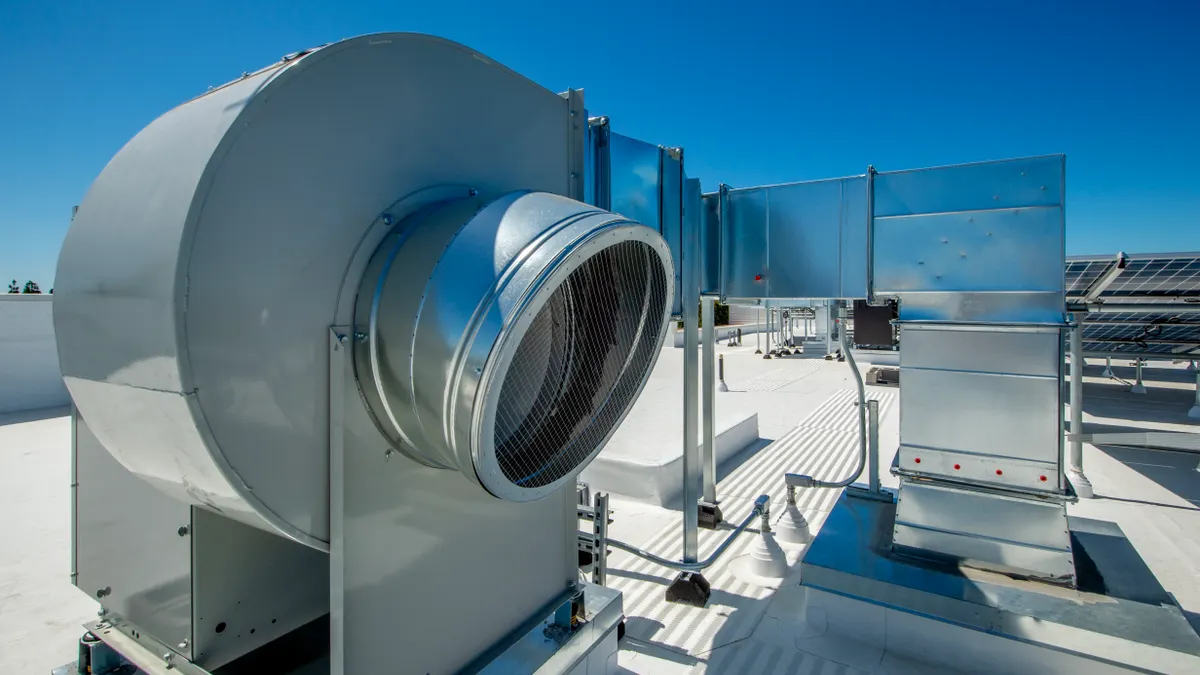
Why HVAC, Infrastructure, and Facility Modernization Matter for Student Success.
When asked how architects can help districts maximize the value of their existing facilities, Westgroup Designs Director of Architectural Design Ken Ong offers a simple answer:
"With more than half of the districts that we do business with, the answer to that question is, 'Give me air conditioning for my classrooms.'"
While the response may sound straightforward, it highlights an important truth. Some of the most impactful investments in education are not always the most visible.
New performing arts centers, STEM facilities, and athletic complexes often capture attention, but the systems working behind the scenes play an equally important role in supporting students and educators every day. Reliable HVAC systems, proper ventilation, upgraded electrical infrastructure, and modern building systems create the foundation for effective learning environments.
Comfort Supports Learning
A successful learning environment begins with the basics.
Students and educators spend hours each day inside classrooms, libraries, and learning spaces. When temperatures become uncomfortable, ventilation is inadequate, or building systems struggle to keep pace with demand, those challenges can affect focus, productivity, and the overall educational experience.
Infrastructure improvements may not change the curriculum, but they help create conditions where students and teachers can perform at their best.
Why Infrastructure Is Becoming a Priority
Across California, many districts are managing facilities built decades ago. While these campuses continue to serve students well, the systems supporting them are often nearing the end of their useful life.
As districts evaluate long-term facility needs, investments in HVAC, electrical, plumbing, and other building systems have become increasingly important. These improvements not only enhance comfort and reliability but also support energy efficiency, indoor environmental quality, and long-term campus resilience.
While infrastructure projects rarely become the centerpiece of a campus tour, they often have one of the greatest impacts on the daily experience of students and staff.
Planning Before Replacing
The most successful infrastructure programs begin long before construction.
Facility assessments and feasibility studies help districts understand the condition, age, and performance of existing systems, allowing them to prioritize investments and develop a roadmap for implementation. Rather than reacting to failures, districts can make informed decisions based on data, long-term needs, and available funding.
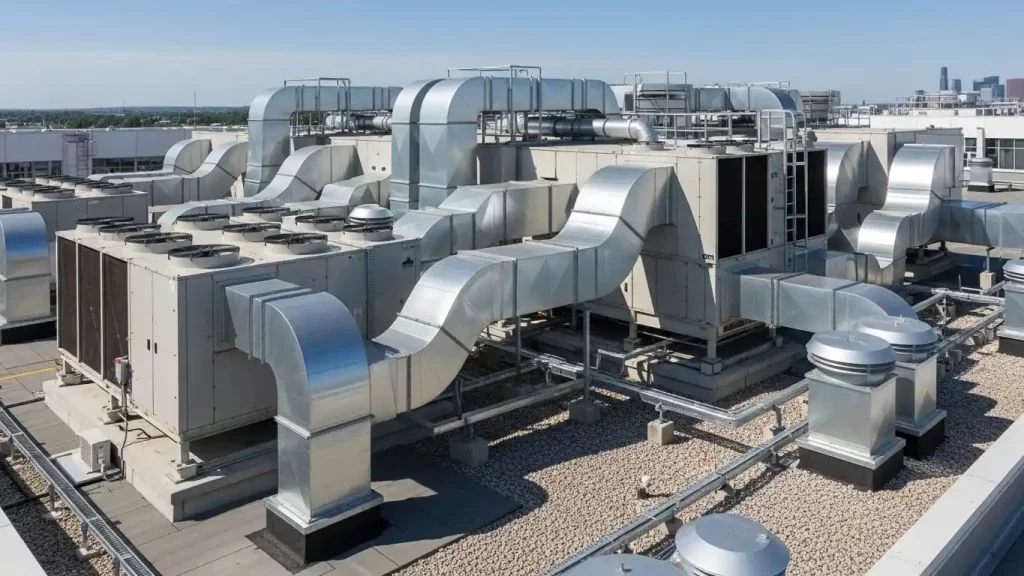
For Victor Elementary School District, Westgroup Designs conducted a district-wide evaluation of 813 HVAC units across 17 elementary school campuses. The effort included documenting existing conditions, assessing remaining useful life, identifying accessibility concerns, and developing a phased implementation strategy allowing the District to prioritize improvements and move forward with confidence.
Looking Beyond Individual Buildings
Many infrastructure challenges extend beyond a single campus.
Districts are often responsible for maintaining dozens of facilities, each with different building ages, system conditions, and operational requirements. Addressing these needs requires a strategic approach that balances immediate priorities with long-term planning.
Westgroup Designs has supported districts throughout Southern California with infrastructure modernization programs ranging from district-wide HVAC upgrades and facility assessments to long-range planning efforts. This includes modernization and HVAC improvements across 17 elementary schools for the Garden Grove Unified School District, helping extend the life of existing facilities while improving campus performance and occupant comfort.
Additional modernization efforts have included HVAC improvements for the Fillmore Unified School District and other agencies seeking to improve the reliability and performance of existing campuses.
The Foundation for Future Improvements
Before a campus can support emerging technologies, specialized programs, flexible learning environments, or expanded student services, it must first provide a safe, comfortable, and dependable place to learn.
Modern building systems create that foundation.
Whether supporting a district-wide modernization effort, improving indoor environmental quality, or preparing campuses for future growth, infrastructure investments often deliver some of the most meaningful and lasting benefits.
The most important school improvements are not always the ones people notice first. They are the ones that quietly support learning every day.
Looking to modernize aging infrastructure or improve the performance of your campus facilities? Contact our team at info@westgroupdesigns.com.